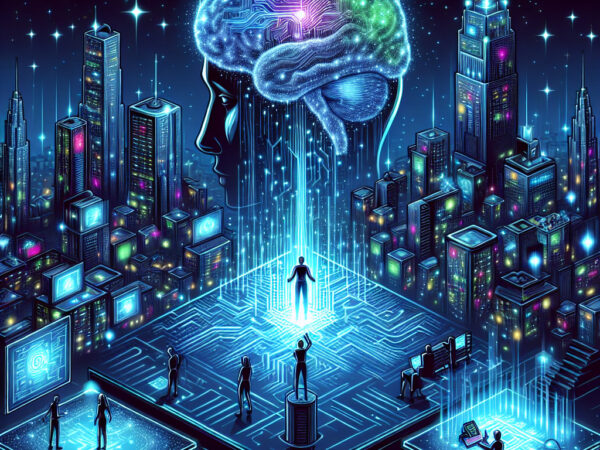
Artificial Intelligence (AI) continues to reshape our world, sparking excitement and trepidation in equal measure. As AI technologies advance at a rapid pace, many Americans find themselves grappling with concerns about its implications for human creativity and relationships. A recent survey conducted by the Pew Research Center delved into these anxieties, uncovering intriguing insights into the public’s perspective on this ever-evolving digital frontier.
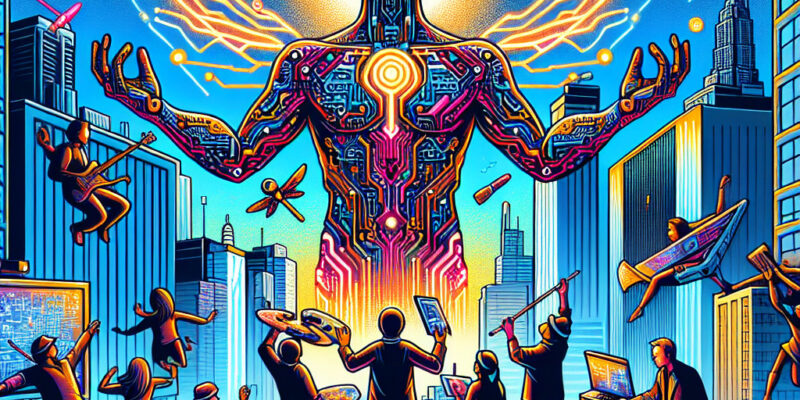
The survey highlights a significant portion of the populace apprehensive about AI’s potential impact on creativity. Historically, creativity has been celebrated as a distinctly human trait, the force behind everything from art and music to scientific breakthroughs and technological innovation. Yet, as AI algorithms become more adept at tasks once thought to require a human touch—such as composing music, writing poetry, and creating visual art—many fear that the essence of human creativity could be overshadowed or even diminished.
These worries are not without precedent. Consider the rise of AI-generated artworks that have fetched millions at auction houses. While some see these as an expansion of artistic expression, others question whether such creations, devoid of human emotion and experience, can genuinely capture the soul of creativity. This tension between innovation and authenticity fuels the debate on AI’s role in creative fields.
Another area of concern highlighted by the survey is the potential for AI to disrupt human relationships. In an era where digital interactions are increasingly facilitated by technology, there’s a growing unease about AI’s ability to replicate genuine human connections. The survey respondents expressed worries that AI could lead to a more isolated society, where virtual interactions replace face-to-face communication.
The advent of AI-powered personal assistants and chatbots has already begun to transform the way we communicate. These tools offer convenience but also provoke questions about the depth and authenticity of our interactions. Can algorithms truly understand the nuances of human emotion, or are they merely simulating empathy and connection? Such questions underscore the complex dance between technological advancement and human needs.
On a broader scale, these sentiments reflect a societal struggle to navigate the ethical and moral dimensions of AI development. While technology has the potential to improve lives, there’s an underlying fear that it could also exacerbate societal divides. As AI systems increasingly influence decision-making processes in areas such as healthcare, finance, and justice, concerns about biases and fairness emerge. The question of who controls these powerful tools and how they are deployed remains a poignant issue for policymakers and citizens alike.
Despite these challenges, it’s crucial to strike a balance that embraces technological innovation while safeguarding human values. This delicate equilibrium requires ongoing dialogue and collaboration between technologists, ethicists, policymakers, and the public. By fostering an inclusive conversation, we can harness the power of AI to enhance, rather than hinder, our shared humanity.
In contemplating the future, one might find solace in the notion that every technological revolution offers both challenges and opportunities. The key lies in our collective ability to adapt and evolve, ensuring that the core qualities that define us—our creativity, empathy, and interconnectedness—remain at the heart of our journey forward. As we stand on the threshold of a new era, the question isn’t whether AI will change us, but how we can shape that change to reflect our highest aspirations.