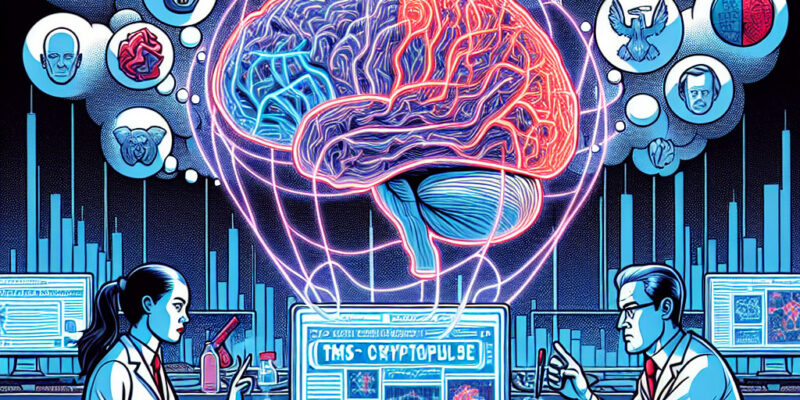
In the constantly evolving world of artificial intelligence, OpenAI has been working hard to address some pressing concerns about political bias in AI models. Their latest research reveals noteworthy strides in decreasing the political bias exhibited by ChatGPT, a popular conversational AI model. This development signifies a step forward in the quest for more neutral AI interactions, a goal that has been an integral part of OpenAI’s mission.
AI models like ChatGPT have become integral tools for millions, aiding in tasks ranging from casual conversation to complex data analysis. However, with their growing influence, concerns about inherent biases, especially those related to politics, have gained momentum. Users have noticed that AI responses can sometimes unintentionally lean towards particular political perspectives. For companies like OpenAI, which strive to create tools that are both useful and impartial, this poses a genuine dilemma.
Delving deeper into the issue, OpenAI’s research team developed methodologies to evaluate and quantify bias levels within their models. Their findings pointed to a 30% reduction in political bias, a statistic that signals substantial progress. While this does not mean complete neutrality has been attained, it underscores a significant improvement and sets a promising benchmark.
The implications of this advancement extend beyond mere statistics. With AI becoming a crucial part of decision-making processes in various sectors, reducing biases can foster fairer, more equitable outcomes. For instance, when employed in educational settings, a less biased AI can offer more balanced perspectives, contributing to a well-rounded learning environment. Similarly, in workplace applications, balanced AI responses ensure fairer interactions, an attribute particularly vital in diverse teams.
To achieve these results, OpenAI employed sophisticated techniques, such as fine-tuning and reinforcement learning from human feedback. By rigorously analyzing feedback from a wide demographic, they refined their models to reflect a more even-handed approach to politically sensitive topics. This process is dynamic, requiring continuous iteration and input to maintain and further enhance neutrality.
Critically, the conversation about bias in AI models is not just about measurement and reduction but also about transparency and accountability. OpenAI has been proactive in sharing its progress and challenges, fostering a dialogue with users and experts alike. This openness invites collaborative efforts to address shared concerns, which can lead to innovative solutions and improved trust in AI technologies.
However, achieving complete impartiality remains a complex task. Biases in AI can stem from various sources, including training data that reflect human prejudices and societal imbalances. As AI practitioners work to refine these models, they must navigate these intricate layers with care and diligence.
For users, the ongoing efforts by OpenAI offer reassurance that their interactions with ChatGPT will increasingly reflect balanced viewpoints. By investing in reducing bias, OpenAI not only enhances the quality of its products but also reinforces its commitment to creating responsible AI.
As we look forward, the challenge of political neutrality in AI serves as a reminder of the broader ethical responsibilities that come with technological advancements. While OpenAI’s progress is commendable, the road ahead requires continued vigilance and dedication to ensure that AI remains a beneficial and unbiased tool for all.
In contemplating these developments, it’s worth pondering how these efforts might influence other sectors within the technology landscape. As AI continues to permeate our daily lives, the lessons learned from such initiatives could apply to a broader array of challenges AI might encounter. There is a sense of optimism that, with continuous effort and collaboration, AI can be harnessed to create a more balanced, equitable future.