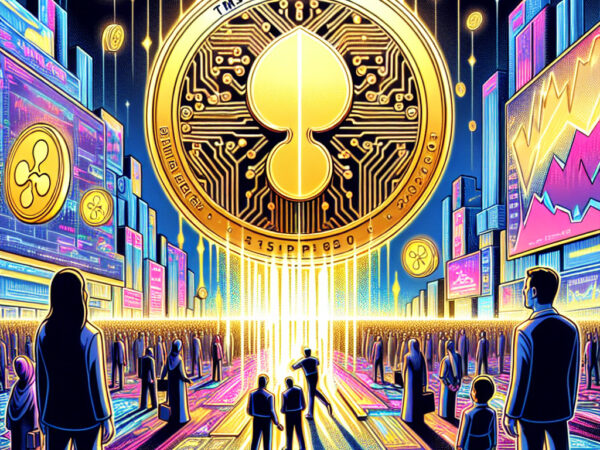
In the ever-evolving landscape of traditional finance, Mastercard’s reported $2 billion venture into the cryptocurrency space is capturing attention. Such a significant investment by this financial services giant might just be the catalyst needed to break away from the rigid constraints of conventional banking hours, ushering in an era of round-the-clock banking services. But how exactly does this bold move promise to reshape the financial world as we know it? Let’s delve into the nuances.
**Round-the-Clock Transactions: A Game-Changer**
Traditionally, banking systems have operated within confined timeframes, often leaving customers waiting for the next business day to settle transactions. Weekends and public holidays also interrupt the flow, causing inconveniences for both businesses and individual customers. Mastercard’s foray into blockchain technology, with its seamless, decentralized nature, could revolutionize this. By adopting cryptocurrency and blockchain mechanisms, transactions could occur at any time, on any day, without the usual delays associated with traditional financial institutions.
Cryptocurrency, with its intrinsic 24/7 nature, tears down the traditional walls of banking hours. Nights, weekends, holidays—none of these would hinder financial transactions. Imagine the significant impact on small businesses, international trade, and everyday consumers who could now transact whenever the need arises without being bound by time zones or bank timetables.
**The Challenges of Transition**
However, adopting a framework that supports constant transactions isn’t devoid of hurdles. Liquidating crypto assets can sometimes be less straightforward than liquidating traditional currency, making liquidity a crucial consideration. Cryptocurrencies are notably volatile, and while this can work in favor of high-risk investors, it poses challenges for businesses and individuals seeking stability in their finances.
Furthermore, the regulatory environment surrounding cryptocurrencies remains one of the most significant barriers to full-scale adoption. Compliance with existing financial regulations, which were not designed with digital currencies in mind, requires innovative legal frameworks. Mastercard will need to navigate these waters carefully, ensuring that its services meet compliance standards without stifling the innovative potential that cryptocurrencies offer.
**Mastercard’s Pioneering Role**
This isn’t Mastercard’s first foray into the realm of digital currencies. The company has been gradually expanding its footprint in the crypto domain, continuously exploring partnerships and innovations that harness blockchain’s potential. In doing so, it positions itself as not just a follower but a pioneer in integrating traditional finance with burgeoning technologies.
Mastercard’s initiative is a signal to other financial institutions of the winds of change. If successful, this could spur similar investments and innovations across the industry, leading to a broader acceptance and integration of cryptocurrencies in mainstream finance. The result? A global shift towards a more versatile and accessible financial ecosystem.
**Looking Ahead: A Financial Renaissance**
For consumers, this leap forward by Mastercard isn’t merely about convenience—it’s about empowerment and inclusivity. The potential to access banking services at any time can significantly impact individuals in regions where traditional banking infrastructure is limited. It can also vastly improve efficiency for online and international businesses, offering them greater flexibility and smoother operations.
As Mastercard embarks on this journey, it steps onto a path that is as promising as it is uncertain. The integration of traditional finance with cryptocurrency is not without its growing pains, but the potential rewards—more efficient, inclusive, and accessible financial services—are too substantial to ignore.
In this landscape of new possibilities, it feels as though we are on the brink of a financial renaissance. While the road ahead may have its uncertainties, it is one that holds the promise of a future where banking is as dynamic and relentless as the digital world we inhabit.