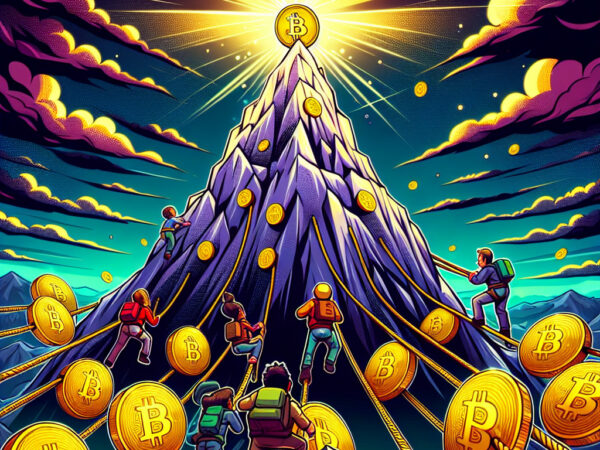
In the turbulent world of cryptocurrency, where market fluctuations are as unpredictable as the weather, a recent disclosure from a respected academic has added further intrigue. Omid Malekan, an adjunct professor at Columbia Business School, has weighed in on the matter, offering insights that could reshape how we perceive the current dynamics of the crypto market. His observations suggest that a select group of influential companies, initially poised to establish lasting value, may instead be accelerating a market downturn.
The universe of cryptocurrency is no stranger to volatility. Prices can soar and plummet dramatically, often driven by external factors such as regulatory changes, technological advancements, or macroeconomic trends. Yet, according to Malekan, internal dynamics, particularly the actions of major players within the market itself, are also crucial in steering this rollercoaster ride.
Malekan’s pointed commentary underscores the role that key corporations play in this space. These companies, originally envisioned as pillars of stability and growth for digital currencies, are, ironically, contributing to increased market instability. What’s perhaps surprising is how concentrated this group is; Malekan emphasizes that these market movers are few enough to be counted on one hand.
To truly understand this phenomenon, it helps to look back at how cryptocurrencies have evolved. Bitcoin, the pioneering digital currency, was designed as a decentralized alternative to traditional finance. It promised to disrupt the centralized banking systems and empower individuals by giving them direct control over their finances. As digital currencies gained traction, a plethora of companies emerged, eager to harness the potential of this revolutionary technology.
These organizations, often flush with investor capital, initially positioned themselves as innovators, dedicated to creating lasting value within the crypto ecosystem. However, as Malekan suggests, the reality has diverged from this ideal. Instead of nurturing a stable environment for digital assets to thrive, these companies may have inadvertently driven speculative behaviors and short-termism, thereby exacerbating market instability.
Consider, for instance, the way in which some of these companies leverage their substantial financial reserves. By making strategic—and sometimes aggressive—purchases and sales of cryptocurrency, they can sway market trends. In periods of uncertainty or decline, such actions can amplify panic, pushing prices even lower. This cyclical pattern risks deterring legitimate investors who seek long-term growth and stability.
Moreover, the technologies and platforms developed by these firms often reflect their market strategies. By focusing on high-risk, high-reward opportunities, they might prioritize immediate gains over sustainable progress. This approach can not only impact their own performance but also undermine broader confidence in the cryptocurrency market.
It’s also worth considering the ripple effects beyond these corporations. Smaller investors and emerging companies, who may look to these giants for guidance, could find themselves caught in a wave of market-driven anxiety and unpredictability. A single massive sale by one of these key players can send shockwaves through the market, compelling others to follow suit, often to their own detriment.
Malekan’s insights are a poignant reminder that while the digital economy offers unprecedented opportunities, it also demands prudent management and a commitment to long-term thinking. As stakeholders in this evolving landscape, from individual investors to major crypto enterprises, it is crucial to foster a market that values more than just immediate profits.
As we navigate these complex waters, perhaps the real challenge lies not in the technology itself, but in the human motivations behind it. How will the leaders of crypto corporations respond to these insights? Will they adapt their strategies to encourage a more stable market, or will they continue down a path that prioritizes short-term gain at the expense of broader market health? These are questions that both industry insiders and casual observers may want to ponder, as the future of cryptocurrency continues to unfold, offering both promise and uncertainty.