In a surprising turn of events, the recent New York City mayoral election has captured attention not only due to the candidates involved but also because of the broader narrative surrounding technology and politics. Zohran Mamdani, a candidate many considered an underdog, clinched victory with just over fifty percent of the votes. However, what truly sets this story apart is the significant role prediction markets played in forecasting his path to victory.
Mamdani’s campaign, characterized by bold progressive policies and community-focused initiatives, resonated with a large portion of New York voters. His appeal was particularly strong among young voters and marginalized communities, promising reforms that addressed affordable housing, healthcare, and local economic development. Yet, it wasn’t just traditional campaigning that predicted Mamdani’s success.
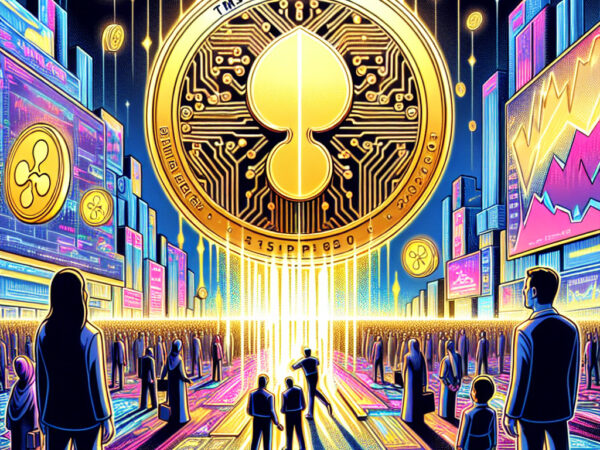
Early on, prediction markets picked up on the potential for an upset in the city’s political landscape. These platforms allow users to buy shares in the outcome of various events, including elections. As more participants predicted Mamdani’s win, the odds began to tilt in his favor, mobilizing both his supporters and undecided voters. The ripple effect of these predictions extended beyond the confines of these markets, influencing broader public perception.
The supportive role of prediction markets invites an intriguing discussion about their impact on modern politics. While they are by no means infallible, these markets provide an alternative lens through which to view electoral dynamics. The aggregation of diverse opinions and insights from participants who have a financial stake in the outcome can, at times, offer a clearer picture than traditional polling methods.
Moreover, the energetic backing Mamdani received from progressive groups was indispensable. These organizations rallied vigorously, bringing grassroots energy and organizing power to his campaign. Through marches, social media campaigns, and community events, they galvanised support and amplified Mamdani’s message across the city. This groundswell of grassroots activism showed that even in an era increasingly dominated by digital narratives, people power retains its critical role in shaping political outcomes.
The alliance between prediction markets and progressive movements demonstrates an evolving political landscape where data-driven insights and passionate advocacy converge. As political campaigns continue to adapt to technological advancements, it’s likely we’ll see more of these collaborations in future electoral contests.
Reflecting on Mamdani’s victory offers a fascinating glimpse into the confluence of innovation and tradition. The election underscores the notion that while technology can predict and influence outcomes, it is ultimately the collective will of the people, the boots on the ground, and the voices calling for change that seal the deal.
As we ponder the implications of this mayoral victory, we are reminded of the power of informed prediction when paired with tireless advocacy. This convergence could well become a hallmark of political strategies to come, illustrating the profound ways in which we can harness technology to support democratic processes. In a city as vibrant and ever-changing as New York, one thing remains constant: the future of politics is here, unpredictable and exciting as ever.