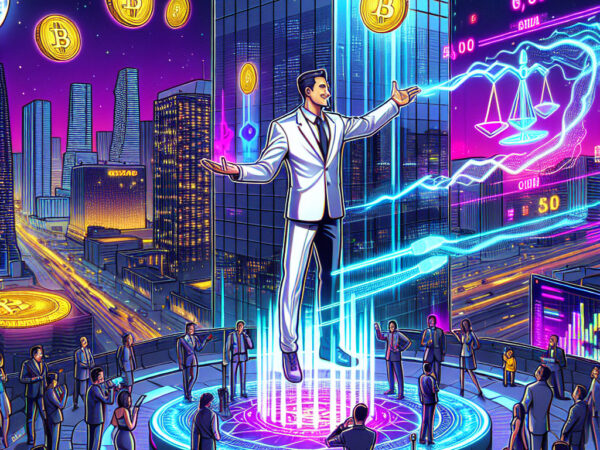
Recently, Elon Musk, the visionary entrepreneur known for constantly pushing the boundaries of technology and innovation, joined Joe Rogan for another thought-provoking conversation. Over the course of this lengthy discussion, the mind behind Tesla and SpaceX delved into a variety of complex topics, ranging from the ever-present influence of artificial intelligence to the futuristic world of flying cars.
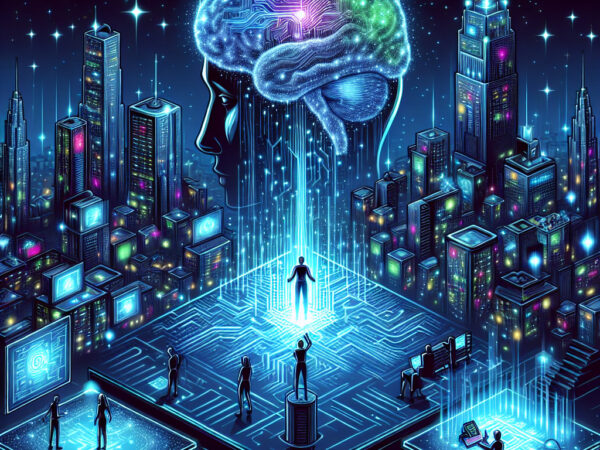
The conversation naturally meandered into one of Musk’s favored subjects: artificial intelligence. He voiced concerns about the potential biases inherent in AI systems, which, though designed to be neutral, might inadvertently mirror the prejudices of their developers. As AI becomes an integral part of our daily lives—shaping everything from personalized recommendations to critical decision-making in fields like healthcare—it’s crucial, Musk argues, to ensure these systems are crafted with meticulous care and unbiased oversight.
While the notion of superintelligence—a form of AI capable of surpassing human intellect—might resemble the plot of a science fiction narrative, Musk’s remarks highlighted its relevance. He emphasized the necessity for ethical guidelines and regulatory frameworks to manage this powerful technology wisely. For Musk, the conversation about AI is not merely academic; it’s a pressing reality that requires immediate attention from both policymakers and tech leaders.
The topic shifted gears as Musk addressed government inefficiencies, critiquing what he perceives as bureaucratic stagnation that often impedes innovation. Employing his businesses as case studies, Musk illustrated the delicate balance between regulation and creativity, underscoring that while oversight is essential, it should not stifle progress. The future, he suggests, belongs to those who dare to streamline processes and embrace a more agile approach to governance.
Social media, another modern-day juggernaut, also came under Musk’s scrutiny. He expressed his ambivalence toward platforms that simultaneously connect and divide people. While these digital spaces can foster community and dialogue, they can also serve as echo chambers, amplifying division and misinformation. Musk’s take seemed to oscillate between admiration for the transformative power of social media and a wary acknowledgment of its darker tendencies.
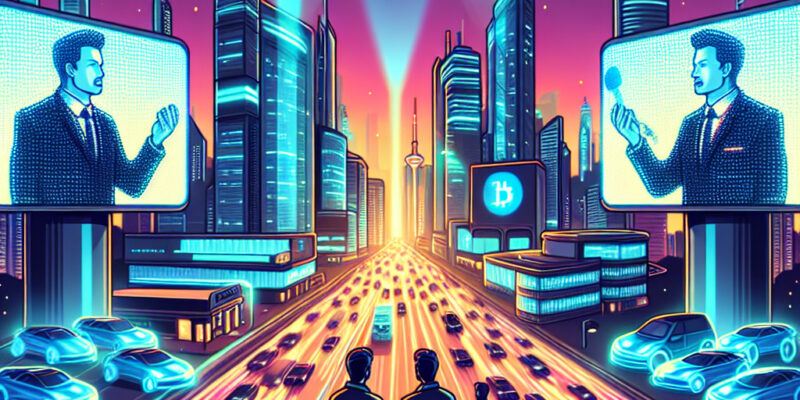
A particularly captivating part of the conversation arrived when Musk speculated on the future of transportation—specifically, the concept of flying vehicles. For many, the idea of cars that glide effortlessly through the sky remains a far-fetched fantasy. However, Musk painted a picture of a world where such vehicles could alleviate congestion and transform urban landscapes. Although technological hurdles remain, Musk’s track record suggests that what seems unthinkable today might very well be tomorrow’s reality.
In reflecting on Musk’s dialogue with Rogan, it becomes clear that his ambitions are anchored in a desire to propel humanity forward while navigating the nuances of an unpredictable technological landscape. As someone who effortlessly transitions from pondering AI ethics to envisioning airborne Teslas, Musk embodies a spirit of inquiry and innovation that challenges conventional boundaries.
While the path ahead remains undefined, Musk’s musings offer a glimpse into a future where technology not only serves but enriches human life. His vision is not just about creating new gadgets or vehicles; it’s about fundamentally reimagining how we interact with the world and each other.
It’s this blend of imagination and pragmatism that keeps Musk at the forefront of the conversation on technology’s role in society. Whether discussing artificial consciousness or flying cars, his insights remind us that the future is not a distant destination but a canvas waiting to be painted by those bold enough to think beyond the horizon.