As we look toward the future of Bitcoin mining in 2025, it’s clear that this space is evolving at a brisk pace, shaped by both technological advancements and economic dynamics. At the heart of this transformation are several key factors that every miner, whether novice or experienced, should keep an eye on—ranging from the frequency of reward halvings to innovations in mining hardware, and the ever-important aspect of energy efficiency.
Bitcoin miners have long been familiar with the phenomenon of “halving,” a process that occurs approximately every four years, wherein the reward for mining new Bitcoin blocks is cut in half. This mechanism is hardwired into Bitcoin’s code and serves to control inflation by limiting the number of new coins introduced into circulation. By 2025, we will have seen several halvings, and the bounty for mining a block will be even more scarce than today. This scarcity increases Bitcoin’s value, effectively making the rewards more coveted but simultaneously raising the stakes for miners, who must ensure efficiency and cost-effectiveness to remain profitable.
Adding to the challenge is the relentless march of mining technology. The era where individuals could profitably mine Bitcoin using personal computers has long passed, usurped by specialized hardware known as ASICs—Application-Specific Integrated Circuits. These machines are designed specifically for mining and can perform hashing operations at much faster rates than standard computers. By 2025, we can anticipate even more advanced iterations of ASICs, offering higher performance, lower energy consumption, and perhaps novel features like compatibility with renewable energy sources, which would appeal to environmentally conscious miners.
Mining pools have become a mainstay in the industry, offering miners the opportunity to combine resources and share rewards. Participating in a pool means that even those with limited resources can partake in a steadier income stream, despite the fluctuations in Bitcoin’s price or individual hashrate. Looking forward, there will likely be a continued trend towards decentralization, with pools becoming more sophisticated in their algorithms and strategies, offering miners greater choice in terms of fees, payment methods, and reward distribution.
There’s also the element of hashprice to consider—the dollar value of each unit of computational power per second, a metric that provides insight into mining profitability relative to market conditions. Hashprice is influenced by a myriad of factors, including Bitcoin’s market price, network difficulty, and block rewards. As the market grows more complex, miners must keep abreast of these variables to optimize their operations.
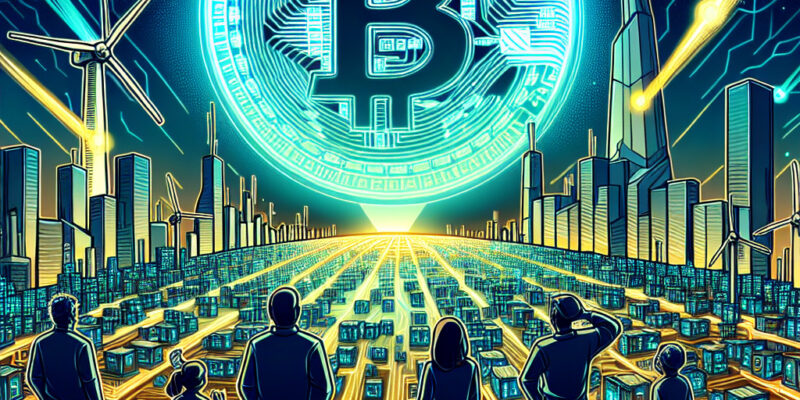
Energy consumption remains a critical facet with implications not only for cost but also for public perception. Bitcoin mining has been criticized for its environmental impact, primarily due to the large amounts of electricity consumed. However, in recent years, there has been a push towards more sustainable practices. By 2025, it’s conceivable that a larger proportion of mining operations will be powered by renewable energy sources—think hydroelectric, wind, solar, or even geothermal—which could mitigate some of the criticisms faced by the industry and appeal to a broader base of stakeholders concerned about climate change.
In sum, Bitcoin mining in 2025 presents both opportunities and challenges. Miners will need to navigate an environment marked by decreasing rewards, advanced technologies, shifting profitability metrics, and the pressing need for sustainable energy solutions. Yet, for those who can adapt and innovate, there remains significant potential to profit from this evolving and intricate domain. As we watch the future unfold, it’s a reminder of the creativity and resilience that characterize the cryptocurrency community—a testament to its enduring allure and potential.